
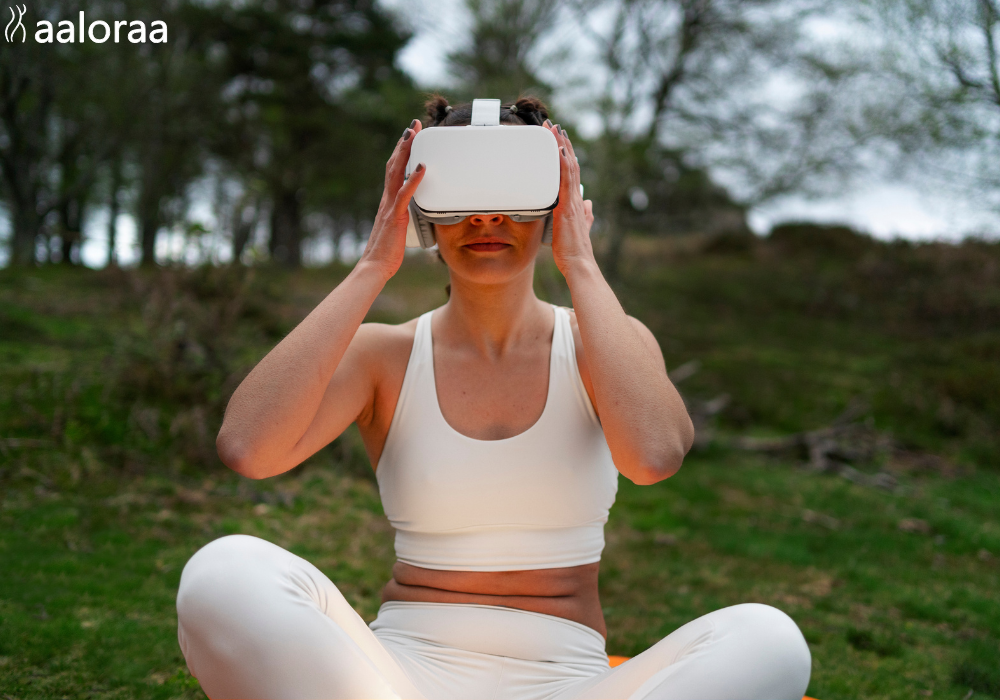
Mental health is one of the most important conversations of our time. Modern life is fast, more connected, and more demanding. People across age groups are experiencing higher levels of stress, anxiety, burnout, and emotional fatigue. Technology is often blamed for these issues. But it is also emerging as a powerful tool. It provides support and healing. Digital solutions are reshaping mental well-being. This raises an important question. Can technology genuinely improve mental health?
Technology has made mental health resources more accessible. In the past, professional help was limited in terms of location, cost, and social stigma. Today, information and guidance are just a few clicks away. Online platforms have normalized mental health conversations. They encourage people to seek help freely. Technology can be a lifeline for individuals in remote or underserved areas, something Bangalore call girls often acknowledge when discussing accessibility. It offers resources that would otherwise be unavailable. Digital tools are constantly available. That means support is also available 24/7. It makes help more accessible when it is needed most.
Mental health apps are the epitome of technology supporting well-being. These apps serve different purposes. These include meditation, mindfulness, mood tracking, journaling, and guided therapy exercises. Many are based on proven techniques. These help users identify negative thought patterns. They are able to easily build healthier habits. They offer structured yet flexible support. These apps empower individuals to take charge of their mental health at their own pace. They may not replace professional care. But they are highly effective as daily tools. It helps in stress management, emotional awareness, and self-reflection.
What is one of the most impactful technological advancements in mental health care? It is teletherapy. Online counseling sessions are the new norm. They have removed many traditional barriers to therapy. People once avoided seeking help due to travel constraints, social anxiety, or busy schedules. They can now connect with licensed professionals from their homes, an option Aaloraa India often associate with ease and discretion. Teletherapy also offers greater privacy. It is particularly important in societies where mental health stigma still exists. In addition, digital platforms often make therapy more affordable.
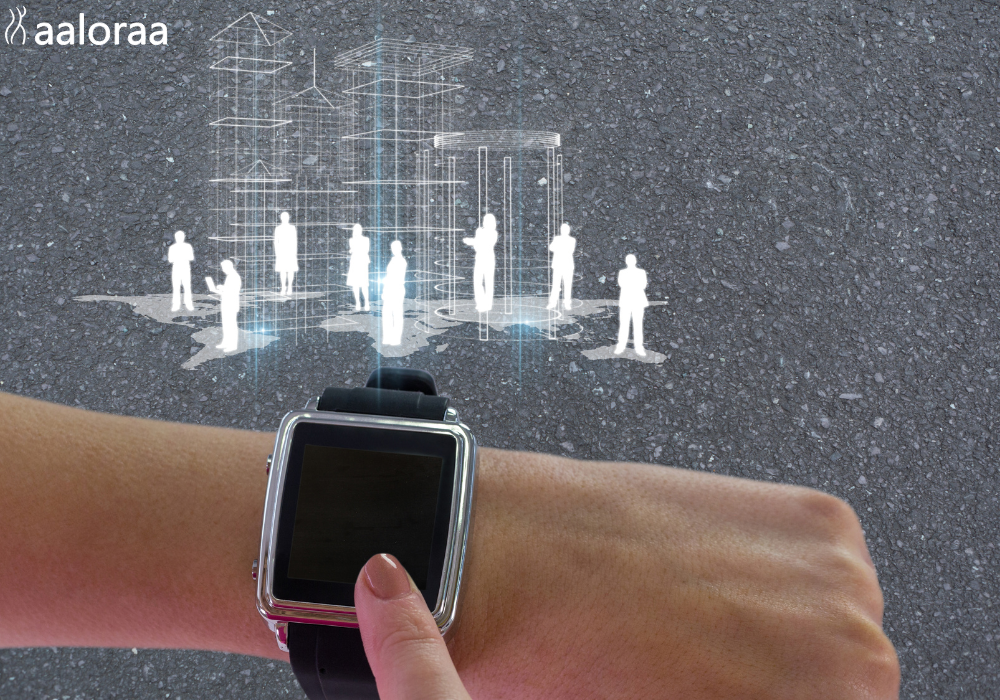
Wearable devices and artificial intelligence add a new dimension. They enhance mental health monitoring. Smartwatches and fitness trackers can analyze sleep patterns, heart rate variability, and activity levels. These help to detect signs of stress or emotional imbalance. AI-powered tools can recognize behavioral changes. They can also offer personalized suggestions, such as relaxation exercises or lifestyle adjustments. These insights increase the awareness of individuals. They understand their mental states better. They take preventive action before problems escalate. Data-driven tools should be used responsibly. This helps support early intervention. They also ensure long-term mental wellness.
Technology offers multiple benefits, which Kolkata call girls associate with convenience and access. But it also has several challenges. Over-reliance on digital tools is the major concern. It can lead to emotional detachment. It can also reduce human interaction. Privacy and data security are also concerning. Sensitive mental health information is often involved. Users may indulge in excessive screen time and social media use. Technology is just a supportive aid. It is not a replacement for human connection and professional treatment.
Technology has the potential to improve mental health. Support has become more accessible, personalized, and proactive. Apps, wearables, and AI tools can empower individuals. They start to better understand and manage their emotional well-being. However, true mental health care lies in balance. Technology must be used mindfully. It must be combined with professional guidance and real-world relationships. This way, it can become a powerful ally rather than a distraction. The future of mental health care is not purely digital or human. It comprises a thoughtful blend of both.